Why routine inspections reduce unexpected breakdowns
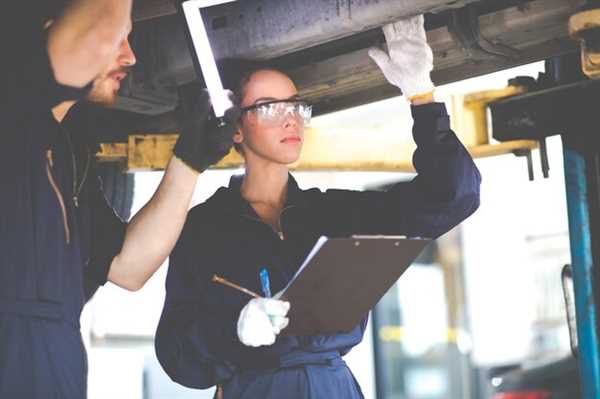
Conducting regular assessments of your vehicle is a proactive measure that significantly reduces the likelihood of breakdowns. Systematically checking critical components can identify wear and tear before they lead to serious issues. Make it a habit to inspect tires, brakes, and fluid levels on a consistent basis to ensure optimal performance.
Implementing a solid maintenance schedule allows for effective prevention strategies. For example, tracking mileage and service intervals can help in addressing minor concerns before they escalate. Use reliable diagnostic tools to monitor engine performance, as early detection of irregularities can save time and costs associated with more extensive repairs.
Prioritizing these evaluations not only safeguards your vehicle’s longevity but also enhances safety on the road. Maintaining a log of all maintenance activities and findings will provide insights into trends and patterns, enabling better decision-making for future servicing.
Importance of Regular Vehicle Checks for Longevity
Perform a thorough examination of your vehicle every month to ensure its longevity. Focus on the engine oil level, tire pressure, and coolant condition. These elements are crucial for preventing breakdowns and maintaining performance.
Check the brake fluid and the state of brake pads regularly. Worn-out pads can lead to decreased stopping power and may cause additional wear on other components. Addressing this early avoids larger expenses later.
Inspect belts and hoses for signs of wear, such as cracks or fraying. Replacing them before they fail ensures the vehicle operates smoothly and reduces the risk of damage to critical systems.
Evaluate the battery condition, looking for corrosion around terminals. A well-maintained battery contributes significantly to reliable starts, especially in extreme weather.
Lastly, keep an eye on your vehicle’s lights and signals. Functioning lights are essential for safety and compliance with traffic regulations. A quick check can prevent hazardous situations on the road.
Regular examinations are a proactive measure that pays off in the long run, ensuring safe driving and extending your vehicle’s lifespan.
Key Components to Inspect for Breakdown Prevention
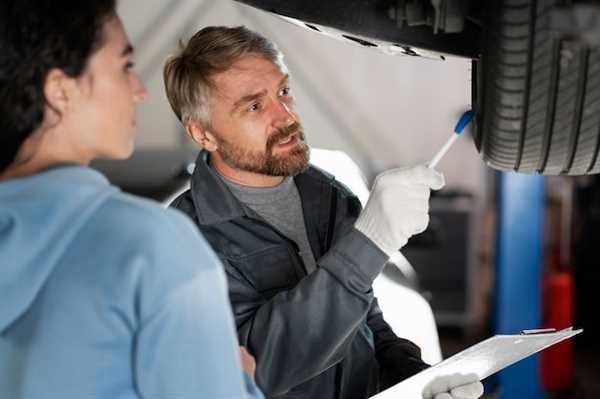
Regular evaluation of critical systems ensures that a vehicle remains operational and safe. Check the engine oil level and quality regularly; contaminants can lead to increased wear and potential breakdowns.
The cooling system must be monitored closely. Inspect the coolant levels and look for any leaks or corrosion. Overheating can cause severe engine damage.
Inspect the battery for corrosion on terminals and test its charge. A failing battery is a common cause of unexpected shutdowns.
Tires should be checked for tread depth and pressure. Uneven wear may indicate alignment issues, which could lead to tire failure.
The condition of brakes is paramount. Listen for unusual sounds and check for responsiveness. Worn brake pads can lead to further issues and affect safety.
Regularly evaluate belts and hoses for signs of cracking or fraying. These components are vital for engine performance and failure can lead to severe damage.
Lastly, review the fuel system. Ensure there are no leaks and that fuel filters are replaced as needed. Clogging can impair performance and lead to breakdowns.
Best Practices for Scheduling and Conducting Inspections
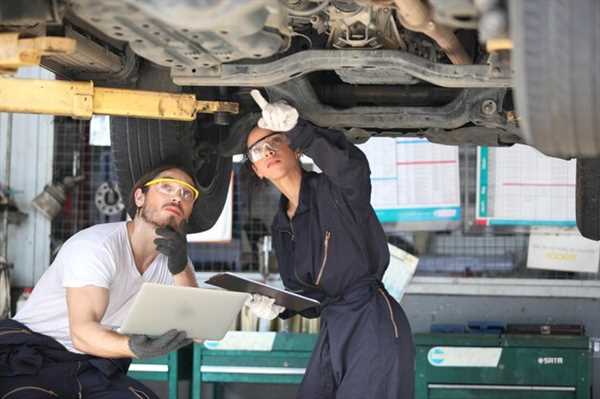
Establish a consistent timetable for checking vehicles, ensuring that all units are evaluated at regular intervals. Align the schedule with manufacturer recommendations and operational demands to maintain reliability.
Develop a checklist specific to vehicle types, detailing critical components that require attention. This guide will streamline inspections and reinforce thoroughness.
Incorporate technology by utilizing software solutions to track inspection schedules and results. Automation can enhance organization and facilitate prompt follow-ups on identified issues.
Train personnel on how to conduct examinations effectively. Emphasize the significance of attention to detail and understanding the impact of minor deficiencies on overall vehicle performance.
Perform inspections during low-traffic periods to reduce operational disruptions. Choose times that balance productivity and the need for thorough vehicle evaluations.
Document all findings and corrective actions comprehensively. Keeping a detailed record enables trend analysis and bolsters prevention strategies.
Encourage a culture of open communication regarding vehicle conditions among drivers and maintenance teams. Reporting issues promptly can prevent escalation and ensure ongoing reliability.
Schedule follow-up inspections for vehicles that require additional attention after maintenance. This practice helps confirm that repairs were effective and issues have been resolved.
Evaluate and adjust the inspection strategy periodically based on feedback and inspection outcomes. Continuous improvement fosters better practices and enhances longevity in vehicle performance.