Common causes of uneven tire wear
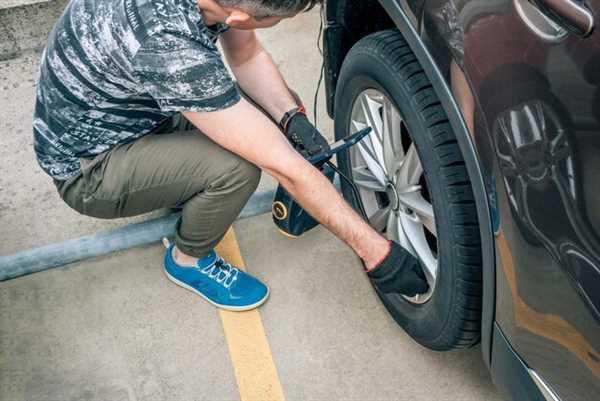
To maintain optimal performance, regular inspection and maintenance of your vehicle’s suspension system is crucial. A misaligned wheel or issues in the suspension can lead to inconsistencies in the tread of your vehicle’s wheel set. Examine your suspension components for signs of wear and tear, as they directly influence how your tires make contact with the road.
Pay attention to your air pressure levels; underinflated or overinflated tires can significantly accelerate unwanted degradation. Regularly checking and adjusting the inflation can contribute to even contact and enhance the lifespan of each tire.
Additionally, rotating your tires at recommended intervals ensures that all tires experience similar conditions, promoting uniformity. Ignoring this simple step can result in discrepancies that not only affect handling but can also lead to uneven contact surfaces.
Lastly, seek professional alignment checks periodically. Even minor deviations can create imbalances that manifest as irregular patterns on your tires, ultimately affecting performance and safety.
Impact of Misalignment on Tire Longevity

Regularly checking and adjusting wheel alignment is crucial for maximizing the lifespan of your vehicle’s rubber components. Misalignment can result in pronounced and inconsistent surface degradation, leading to premature replacements. To ensure optimal performance, aim for realignment every 5,000 to 10,000 miles, or sooner if you notice any handling issues.
The suspension system plays a significant role in maintaining correct alignment. Components such as struts, springs, and control arms must function properly. Worn-out or damaged suspension parts can exacerbate alignment issues, resulting in accelerated damage to rubber contact surfaces.
Improper camber, toe, and caster angles contribute to irregular contact patterns, affecting grip and stability. A slight deviation can lead to greater resistance on specific areas, significantly shortening the lifespan of both tires and suspension elements.
Monitoring air pressure also supports the alignment’s integrity. Incorrect inflation can mask alignment problems, leading to uneven distribution of forces during driving, further compromising durability. Maintain manufacturer-recommended pressure levels to extend service intervals.
Consider periodic alignments after any significant impact, such as hitting a pothole or curb. Such incidents can easily misalign wheels and create a need for immediate inspection to prevent further damage.
How Suspension Components Affect Tire Health
Regularly inspect suspension parts for signs of deterioration or malfunction, as worn components lead to inadequate alignment. This miscalculation can directly contribute to irregular contact with the road surface, causing inconsistent degradation of the rubber.
Shock absorbers and struts counteract road impacts; if they fail, the vehicle’s weight distribution changes, resulting in excessive pressure on specific areas of the rubber. Replacing these elements on schedule minimizes negative impacts.
Additionally, control arms and bushings must be in good condition. Any play or damage impacts the alignment angles, leading to mismatched performance on the road. Conducting periodic checks and adjustments is necessary for maintaining optimal alignment.
Anti-roll bars also play a role in maintaining balanced handling. If these components are degraded, the vehicle may sway excessively, changing how the rubber interacts with the surface. Ensuring these parts are functional enhances driving stability and longevity of the tread.
Regular maintenance, including alignment checks after major repairs, helps maintain even performance across the vehicle. A proactive approach to suspension upkeep directly correlates with improved longevity of the rubber, securing superior handling and safety.
The Role of Driving Habits in Tire Wear Patterns
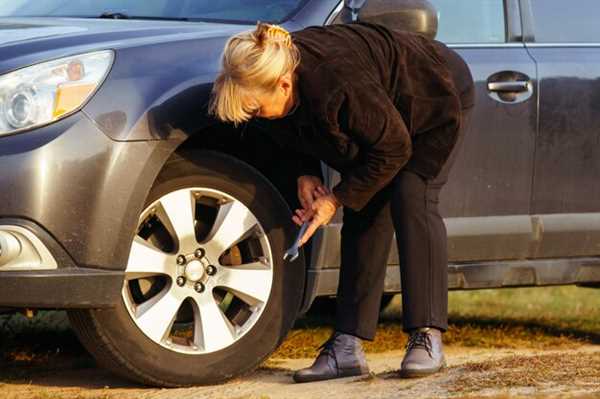
Adopting smooth acceleration and braking techniques can significantly prolong the lifespan of your tires. Rapid starts and hard stops lead to excessive friction, increasing the likelihood of uneven surface degradation.
Regularly inspecting and maintaining the suspension system is crucial. A worn-out suspension can cause the vehicle to bounce, leading to inconsistent tire contact with the road and amplified surface deterioration.
Cornering aggressively can induce substantial sidewall strain, particularly on the outer edges. Drive with consideration during turns, as this can distribute pressure evenly and minimize localized damage.
Excessive highway driving at high speeds may also contribute to accelerated degradation. Keeping speed within recommended limits and reducing sudden lane changes can help maintain optimal contact with the road surface.
Carrying heavy loads affects the distribution of weight across the tires. Always adhere to load limits indicated by the manufacturer to prevent surplus pressure on specific areas, promoting balanced longevity.
Regular rotation of tires should be part of your maintenance routine. This practice ensures all four wheels experience similar conditions over time, addressing differences in wear characteristics due to driving behavior.