Suspension components that impact ride comfort

To achieve a smooth experience on the road, choosing the right parts is paramount. Upgrading your vehicle’s shock absorbers can significantly reduce the impact of bumps and uneven surfaces, contributing to an overall feeling of relaxation. High-quality struts, designed to absorb vibrations, play a pivotal role in enhancing the quality of each journey.
The role of anti-roll bars cannot be overlooked. These components minimize body roll during cornering, allowing for a more stable and assured drive. By optimizing handling and lateral forces, they directly affect how comfortable you feel while maneuvering through turns.
Furthermore, consider investing in advanced bushings. Softer bushings can isolate the cabin from road imperfections, helping to mute noise and vibration. The combination of improved damping and reduced noise levels creates a more pleasant environment for the occupants, elevating the enjoyment of any trip.
Types of Shock Absorbers and Their Impact on Comfort
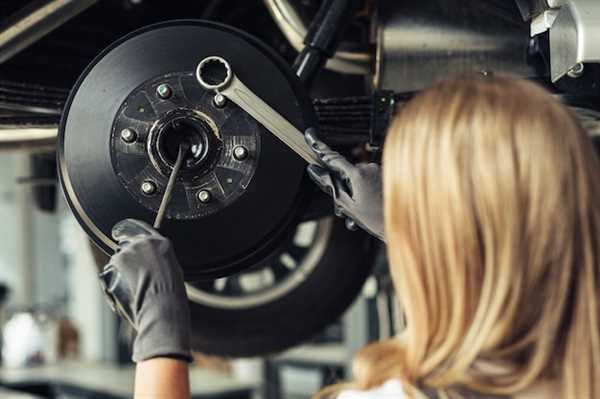
Choosing the right shock absorbers significantly enhances the riding experience by improving smoothness and handling. Two common types are mechanical and pneumatic dampers.
Mechanical shock absorbers, such as twin-tube and monotube designs, provide consistent performance under various conditions. Twin-tube models are known for better heat dissipation, resulting in a more stable feel. They typically offer a softer ride, which is favored for daily driving.
In contrast, monotube absorbents are better suited for dynamic environments. They feature a single cylinder, allowing faster response times which can enhance comfort on uneven surfaces. These are often preferred in performance vehicles.
Pneumatic shock absorbers, equipped with air bladders, allow for adjustable firmness levels. This adaptability caters to varying loads, making them ideal for SUVs and off-road vehicles. Drivers can adjust settings to suit personal preferences, enhancing the experience based on specific road conditions.
The choice between these parts influences not only handling but also overall satisfaction during travels. A focus on quality and suitability for your vehicle’s usage can lead to a noticeable difference in comfort levels.
Testing different options and monitoring how they respond can lead to optimal selection, ensuring a smoother and more enjoyable driving experience.
How Coil Springs Contribute to a Smooth Ride
Coil springs play a critical role in achieving a smooth driving experience. These components absorb impacts from uneven surfaces, ensuring that vibrations do not transfer to the vehicle cabin. Selecting high-quality coil springs with appropriate material and design enhances their ability to manage loads effectively.
When choosing coil springs, consider the wire diameter, spring rate, and number of coils. A thicker wire diameter typically offers greater resistance to compression, while an optimal spring rate allows for better absorption of bumps. Adequate coil quantity promotes consistent support throughout the suspension travel.
Regular inspection and maintenance of coil springs are vital. Look for signs of wear, such as rust or distortion. Replacing worn springs promptly maintains optimal performance and comfort during driving.
Coupling coil springs with dampers can significantly improve the responsiveness of the suspension system. Dampers control the rebound of the springs, resulting in controlled movement that enhances stability and ride quality.
The Role of Control Arms in Suspension Geometry and Comfort
Control arms serve as a crucial link in the vehicle’s structure, directly influencing handling and smoothness on the road. When selecting control arms, opt for those made from high-quality materials such as aluminum or reinforced steel to enhance durability and performance.
Proper alignment is essential. Ensure that control arms are installed according to manufacturer specifications to maintain ideal geometry. This helps in reducing tire wear and improving stability, contributing to a more pleasant driving experience.
Consider adjustable control arms for performance customization. These allow for fine-tuning of camber and caster angles, which can directly impact traction and comfort, especially during cornering.
Regular inspections are recommended to check for wear and tear. Bushings and ball joints within the control arms should be assessed periodically, as damaged parts can lead to a harsh ride and diminished comfort.
Incorporating aftermarket control arms can also be beneficial. They often feature enhanced pivot points and better ergonomics, maximizing both comfort and vehicle handling during diverse driving conditions.