Key components checked during a full vehicle inspection

Prioritize the examination of critical parts during automotive assessments to ensure road safety and performance. Focus on critical systems, such as the braking mechanism, steering functionality, and suspension integrity. Each of these areas plays a significant role in vehicle handling and driver control, making their meticulous evaluation non-negotiable.
Attention should be given to the engine’s condition, including oil levels, coolant systems, and belt wear. Regularly checking these elements can prevent breakdowns and costly repairs. Additionally, inspect the battery and electrical systems for efficient operation, ensuring reliable starts and optimal performance of electronic features.
Tire health is another fundamental aspect to monitor. Assess tread depth, air pressure, and overall tire condition to guarantee traction and stability on the road. Regular alignment checks can enhance tire longevity and improve fuel efficiency, making this an economical choice for maintaining your automobile.
Lastly, don’t overlook the importance of lights and visibility aids. Regularly verify that headlights, taillights, and indicators function properly to enhance safety in various driving conditions. Adhering to these recommendations can lead to a more reliable and safer driving experience.
Identifying Critical Safety Features During Inspection
Check the functionality of airbags by viewing the indicator lights on the dashboard. Ensure they illuminate when the ignition is turned on and then turn off, confirming their readiness.
Examine the braking system for wear. Inspect brake pads, rotors, and fluid levels to identify any signs of deterioration that could impact stopping power.
Assess tire tread depth using a gauge. A minimum of 2/32 inches is necessary for safe traction. Look for uneven wear patterns that might indicate alignment issues.
Review exterior lights, including headlights, brake lights, and turn signals. Functional lighting is crucial for visibility and signaling to other drivers.
Inspect windshield wipers and the washer fluid system. Ensure blades are not worn, providing clear visibility during adverse weather.
Assess seatbelt functionality. Make sure they retract properly and latch securely to guarantee passenger safety.
Confirm that the steering system is responsive. Any unusual vibrations or noises should be addressed immediately to prevent further complications.
Evaluate the engine compartment for any fluid leaks, particularly oil or coolant, as these can signify potential mechanical problems.
Inspect the exhaust system for rust or damage, as well as proper attachment, to prevent exhaust leaks that could pose health risks.
Check the spare tire and jack for accessibility and functionality, ensuring they are ready to use in case of a flat tire scenario.
Assessing the Performance of Engine and Transmission Systems
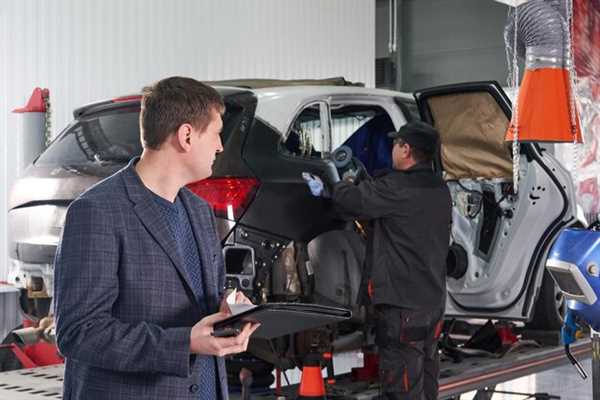
The engine and transmission should be evaluated meticulously to ensure optimal performance. Begin with a thorough examination of the engine oil level and its condition. Dark or gritty oil indicates a need for an oil change, while low levels could signal leaks or consumption issues.
Next, check the coolant levels and inspect for any signs of leaks around the radiator and hoses, which could lead to overheating and engine damage. Evaluate the performance of the fuel system by examining the fuel filter and lines for clogs or wear that may affect engine efficiency.
In terms of transmission, examine the fluid level and quality. Discolored or burnt fluid points to potential problems. Look for fluid leaks under the vehicle; transmission fluid should not be pooling. Additionally, perform a test drive to assess shifting quality, ensuring transitions are smooth without delays or jerks.
Listen for unusual sounds during operation, which may indicate mechanical issues. Pay attention to vibrations that might suggest misalignment or wear in the drivetrain. Regular evaluation of these areas is paramount for maintaining the longevity and performance of these systems.
Evaluating Tire Condition and Alignment for Optimal Handling

Regular assessment of tire condition and alignment is crucial for achieving the best handling capabilities of your automobile. Begin with the tread depth; it should meet or exceed 2/32 of an inch for safe performance. Use a tread depth gauge or the penny test to check for wear. Ensure that the tread pattern is even across all tires, as uneven wear can indicate alignment problems or improper inflation.
Next, inspect for cracks, bulges, or punctures on the tire’s sidewalls and surface. Any visible damage can significantly compromise safety and performance. Check tire pressure monthly, as it should match the manufacturer’s specification usually located on the driver’s side door jamb. Under-inflation or over-inflation directly affects how well the vehicle handles and can lead to premature tire wear.
Alignment should be checked if you notice the vehicle pulling to one side or if the steering wheel is off-center while driving straight. Misalignment can cause rapid tire wear and negatively impact handling. A professional should perform a 4-wheel alignment to ensure wheels are set to the optimal angles, improving stability and handling precision.
Consider rotating tires every 5,000 to 7,500 miles to promote even wear. This periodic maintenance helps maintain consistent handling characteristics. Regular evaluation and maintenance of tire condition and alignment will enhance safety, improve fuel efficiency, and ensure a smoother drive.