Why engine diagnostics save money long term

Regularly implementing precise assessments can lead to significant savings for vehicle operators. Addressing issues early minimizes the risk of major failures and subsequent repairs that could strain budgets. Using specialized tools and expert knowledge allows for the detection of problems that, if left unchecked, can escalate into costly repairs.
By prioritizing ongoing evaluations, vehicle owners can not only enhance operational lifespan but also streamline their financial obligations. Investing in predictive technologies and data analysis aids in identifying wear patterns that often precede breakdowns. This proactive approach ensures fewer unexpected interruptions, allowing for better resource allocation and planning.
Incorporating these practices into standard routines creates a sustainable model for managing expenses. With a keen focus on minor maintenance tasks derived from data-driven insights, the overall upkeep costs can be drastically lowered. The principle of addressing small concerns before they morph into significant issues holds true: proactive management equals financial wisdom.
Identifying Issues Early to Prevent Major Repairs
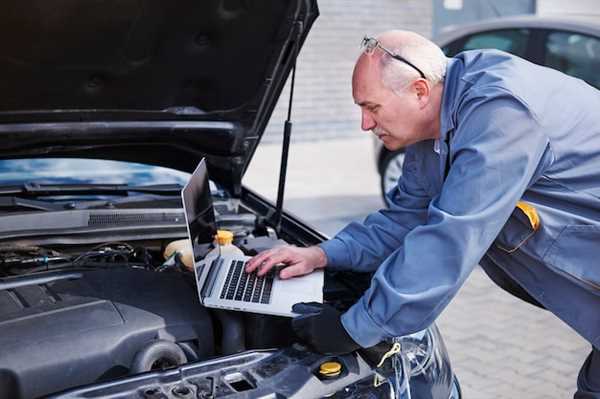
Regular inspections and assessments of vehicle performance can lead to significant savings in repair expenses. By implementing consistent monitoring techniques, drivers can catch abnormalities before they escalate.
Key measures include:
- Schedule periodic checks to detect irregularities in components.
- Utilize specialized tools for thorough evaluations of systems.
- Follow manufacturer recommendations for maintenance intervals.
- Pay attention to warning lights and unusual sounds that may indicate a malfunction.
Data suggests that addressing minor issues promptly can prevent extensive damage, which translates to lower expenditure over time. For example, rectifying a small oil leak promptly might prevent engine damage that could incur thousands in repairs.
Focus on high-impact areas such as:
- Fluid levels and quality.
- Belt and hose conditions.
- Brake responsiveness.
Consistent attention to these areas will not only enhance safety but also contribute to reduced long-term expenses. Hence, early detection is a strategic approach to minimize potential financial burdens.
Maximizing Fuel Efficiency Through Diagnostic Insights

Conduct regular assessments of fuel injectors; ensuring they operate optimally can yield significant savings. A clean, well-tuned injector enhances combustion efficiency and minimizes excess fuel consumption.
Monitoring tire pressure is essential; under-inflated tires increase rolling resistance, leading to lower mileage. Maintain the recommended PSI levels for your vehicle. This simple adjustment can improve fuel economy substantially.
Utilize onboard monitoring systems to track engine performance metrics. Analyze data such as air-fuel ratio and ignition timing. Adjustments based on these analytics can lead to noticeable improvements in fuel consumption.
Replace air filters at recommended intervals. A clogged filter restricts airflow, decreasing engine performance and efficiency. Ensure a steady flow of clean air for optimal combustion and fuel usage.
Examine exhaust systems for leaks. Damaged components can disrupt back pressure, negatively impacting fuel efficiency. Timely repairs can prevent waste and enhance performance.
Regularly check engine oil levels and quality. Using the correct grade oil reduces friction and improves operation, resulting in better fuel efficiency. Prioritize timely oil changes for ongoing savings.
Review driving habits and adjust behaviors that contribute to wasted fuel. Aggressive acceleration and hard braking deplete fuel reserves quickly. Smooth driving can improve miles per gallon.
Incorporate lightweight materials in your vehicle whenever possible. Reducing excess weight decreases the power needed to move the vehicle, translating directly into improved fuel economy over time.
Engage in routine diagnostics to identify components that may be inefficient or malfunctioning. Timely intervention ensures systems run at peak performance, preserving fuel resources and maximizing savings.
Implementing Regular Check-Ups for Sustained Savings
Schedule check-ups every 5,000 miles or every six months, whichever comes first. Regular assessments catch issues early, preventing costly repairs down the line. Implement a checklist that covers fluid levels, filter conditions, and belts and hoses to identify potential failures effectively.
Invest in high-quality sensors that provide real-time data on performance metrics. Correlating these readings with historical data can pinpoint trends and potential failures before they escalate. Keeping a maintenance log helps track recurring issues and ensures transparency.
Training staff to understand common indicators of wear contributes to a proactive approach. Establishing a feedback loop where employees report anomalies encourages a culture of vigilance. This collaboration often leads to identifying savings opportunities that may otherwise go unnoticed.
Incorporate seasonal inspections to prepare for climate-related stresses. For instance, antifreeze checks in winter help avoid engine freeze problems, while coolant system assessments in summer can prevent overheating. Such preemptive actions safeguard against unexpected disruptions.
Utilize software tools for routine tracking and reminder systems. Automating notifications for upcoming inspections ensures that schedules are strictly adhered to, preventing lapses that could lead to more significant expenses.
Optimize parts procurement by negotiating contracts with suppliers for common replacement components. This includes bulk purchasing agreements that yield lower prices and reduced shipping costs. Building relationships with trusted suppliers often results in better prices and priority service during emergencies.