Why electrical diagnostics are critical in modern vehicles

Prioritize periodic assessments of your car’s electronic systems to ensure optimal performance and longevity. Neglecting these crucial checks can lead to unexpected failures and costly repairs down the road. Utilizing advanced tools can provide insights into fault codes and system efficiency, allowing for timely interventions.
Today’s cars are equipped with intricate networks of sensors and control modules. These components communicate constantly, making real-time evaluation vital. Familiarize yourself with the common signs of electrical issues such as irregular dashboard lights, erratic performance, or unusual sounds.
Regular inspections not only help in identifying problems early but also enhance the safety and reliability of your transportation. Stay informed about the latest innovations in diagnostic technologies to align your maintenance strategies with evolving industry standards.
Understanding Common Electrical Failures in Today’s Cars
Regularly check the battery terminals for corrosion, which can hinder performance. A clean and secure connection is vital for reliability.
Faulty alternators often contribute to power loss. Look for dimming headlights or electrical accessories that malfunction. Replacement may be necessary to restore full functionality.
Wiring issues can arise from wear and tear. Inspect wiring harnesses for fraying or damage, especially in areas exposed to heat or moisture. Repair or replace damaged sections promptly.
Fuses protect circuits and can blow due to excessive load. Keep spare fuses on hand and refer to the owner’s manual for specifications. Regularly inspect fuses during maintenance checks.
Malfunctioning sensors, such as oxygen or throttle position sensors, can trigger warning lights. Use appropriate equipment to diagnose sensor health and replace if faulty.
Faults in the electronic control unit (ECU) can lead to erratic behavior. Ensure software updates are performed and check for error codes using a suitable scanner.
Ground connection failures can disrupt power flow. Check grounding straps for tightness and integrity to eliminate intermittent electrical problems.
As technology advances, understanding these issues and conducting regular inspections will prolong the lifespan of your car’s electrical components and enhance safety on the road.
The Role of Diagnostic Tools in Identifying Electrical Issues

Utilize advanced scanning devices that interface directly with the onboard computer systems to detect anomalies in wiring and components. These tools can retrieve error codes linked to specific malfunctions, providing insights that guide technicians toward the underlying problems.
Employ multimeters to measure voltage, current, and resistance within circuits. This enables pinpointing faults such as short circuits or open connections that may disrupt the flow of electricity. Regular checks with a multimeter can help prevent further damage to critical systems.
Consider using oscilloscopes for real-time signal analysis. This equipment allows for the visualization of waveforms, assisting in identifying irregularities in sensor outputs or communication between electronic modules. Proper interpretation of these signals can expedite troubleshooting.
Integrate component testers for specific parts like starters, alternators, and batteries. These devices assess the performance of individual components, ensuring they operate within designated parameters before concluding on broader system issues.
Always keep software updated for any diagnostic tools used. Manufacturers frequently release updates that enhance the capabilities of the equipment, allowing for more accurate readings and broader compatibility with various makes and models.
Utilize wiring diagrams and schematics in conjunction with the tools. Understanding the layout of electrical networks enhances the accuracy of fault detection and repair strategies.
Document all findings during testing. Maintaining clear records of codes and measurements fosters better communication among technicians and supports efficient resolution of recurring problems in the future.
Maintaining Vehicle Performance Through Regular Electrical Checks
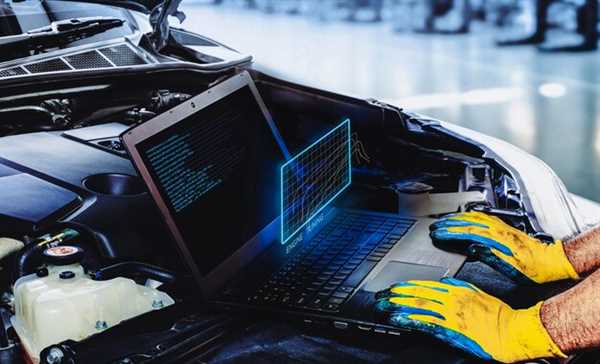
Schedule periodic inspections of the battery and wiring to prevent potential issues that can lead to performance degradation. A well-maintained battery ensures reliable starting and power supply to essential systems.
Monitor voltage levels regularly. A voltage drop or inconsistency can indicate underlying issues that may affect drivability and safety. Ensure battery connections are clean and tight to avoid resistance that could impact performance.
Inspect the alternator functionality, as it replenishes energy for various components. A malfunctioning alternator can result in insufficient power, affecting lighting, infotainment, and engine management systems.
Examine all fuses and relays to detect any failures that could disrupt electrical flow. Replacing blown fuses is a simple task that can restore functionality to important systems quickly.
Check the integrity of ground connections. Poor grounding can lead to erratic behavior of electrical components. Ensure that all ground points are secure and free from corrosion for optimal performance.
Utilize diagnostic tools to assess the health of onboard systems. These devices can detect anomalies before they escalate, allowing for timely interventions and repairs.
Regularly review wiring harnesses for wear or damage. Protecting these crucial components from environmental factors reduces the risk of shorts that can lead to significant performance issues.
Keep an eye on component performance, such as sensors and actuators, which directly influence engine operation and fuel efficiency. Identifying faulty parts early can prevent a cascade of problems down the line.
Stay informed about any recalls or technical service bulletins related to your specific model. Manufacturers often provide guidance that can enhance system reliability and performance longevity.
Adopting a proactive maintenance routine will help protect investments, enhance reliability, and ensure that your automobile continues to run smoothly.