Why coolant condition matters more than level

Prioritize the composition and performance attributes of your engine’s fluid system rather than merely its volume. A well-formulated mix can significantly enhance thermal regulation and corrosion resistance, supporting the engine’s longevity and functionality.
Utilizing high-grade engine coolant reduces the risk of overheating and enables better temperature control under varying conditions. This results in improved overall performance and higher efficiency, leading to reduced wear on essential components.
Regularly check the integrity and condition of the fluid, as contaminants and degradation can drastically affect its performance. A clean and effective mixture allows for optimal heat transfer, ensuring that the engine operates within its desired temperature range.
For maximum protection, select formulations that contain corrosion inhibitors specifically designed for your engine type. This proactive approach can prevent damage and extend the life of critical elements within the engine.
Ultimately, focusing on the finesse of the engine fluid can yield far better results than merely adhering to prescribed volume levels. Implementing these strategies will assure smooth operation and minimize maintenance costs over time.
How Coolant Quality Affects Engine Performance and Longevity
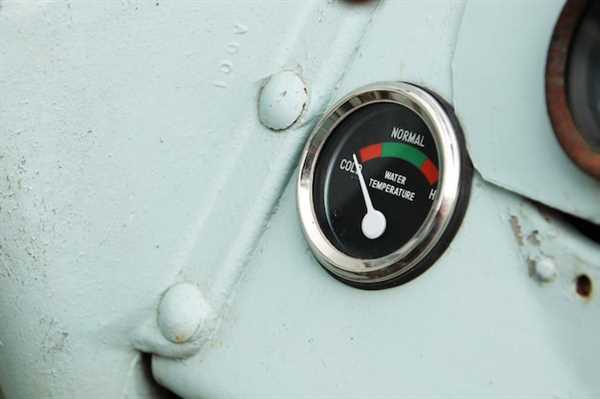
A high-performance cooling solution enhances engine operation and promotes durability. Using fluids engineered for specific thermal properties allows for optimal heat dissipation, reducing the risk of overheating. This prevents thermal stress on components and reduces wear and tear, significantly extending engine life.
Identifying Signs of Poor Coolant Condition and Maintenance Tips

Check for a sweet smell or visible leaks under the engine; these can indicate internal damage or degradation of fluid properties.
Monitor the fluid color; it should be bright and clear. Dark, muddy, or rusty shades typically suggest contamination and reduced efficiency.
Look for any sludge buildup in the reservoir or radiator, which impairs heat transfer and can damage the engine.
Pay attention to overheating warnings on the dashboard. Frequent overheating can signal insufficient or compromised liquid affecting cooling performance.
Assess the pH level of the liquid. A pH below 7 can lead to corrosion, while a pH above 8 may indicate excessive additives.
Perform routine flushes every two years to remove debris and restore optimal heat transfer properties.
Always use manufacturer-recommended types and blends of antifreeze; mixing different formulations can lead to ineffective cooling and potential engine issues.
Consider using a coolant tester to check freeze protection levels before winter months, preventing engine damage from freezing temperatures.
Inspect hoses connected to the cooling system regularly for wear and blockages, which can restrict flow and cause overheating.
Seal any leaks promptly using a reliable repair kit, preventing further contamination and improving the system’s overall effectiveness.
Choosing the Right Coolant: Key Ingredients and Specifications
Opt for a formula containing ethylene glycol or propylene glycol as the primary antifreeze agent. These compounds efficiently lower the freezing point and raise the boiling point, thereby offering excellent thermal protection for your engine.
Ensure compatibility with your vehicle’s materials. Look for coolants that include inhibitors to prevent corrosion of metal components, such as aluminum or copper. Organic Acid Technology (OAT) coolants generally provide better protection for these materials.
Pay attention to the pH level of the mixture. A pH range between 7 and 8 is optimal for engine health, helping to neutralize acids that can form during operation.
Consider the ratio of water to coolant. A 50/50 mix is standard, balancing freezing protection with cooling efficiency. Adjust this ratio based on climate conditions, but avoid exceeding 70% coolant, as this can hinder heat transfer.
For performance vehicles, some brands offer racing formulas designed for higher thermal conductivity and improved heat transfer. These may incorporate additional additives for enhanced performance under extreme conditions.
Lastly, always refer to the vehicle manufacturer’s recommendations regarding specifications and service intervals for maximum reliability. Regular checks and replacements are necessary to ensure the longevity of the engine and cooling system.