How worn brake components affect stopping distance
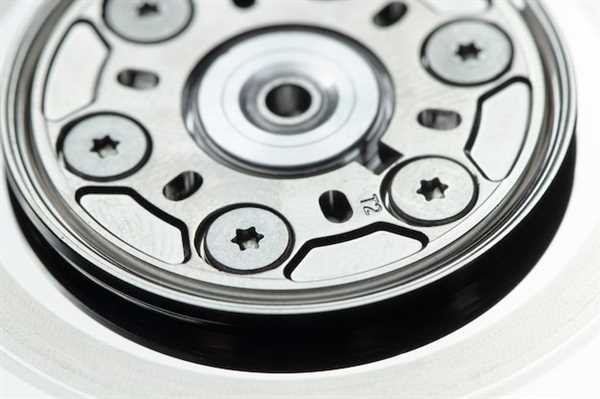
Regular inspection of friction materials is non-negotiable for maintaining optimal safety levels. The degradation of these elements directly influences the length required to come to a complete halt. Statistics indicate that even a slight reduction in thickness can lead to substantial increases in deceleration length, often by several feet at highway speeds.
The relationship between the condition of these materials and the effectiveness of deceleration cannot be overstated. Testing has shown that an absence of routine maintenance can double or even triple the time needed to stop in emergency situations. If components show visible wear, immediate replacement is advised to restore performance and ensure safety.
Monitoring performance indicators such as increased pedal travel or unusual noises during operation can provide early warning signs of insufficient friction. Addressing these issues promptly can significantly minimize the risk of extended deceleration length, ultimately saving lives and reducing repair costs from accidents caused by inadequate stopping power.
Understanding the Relationship Between Brake Wear and Vehicle Stopping Distance
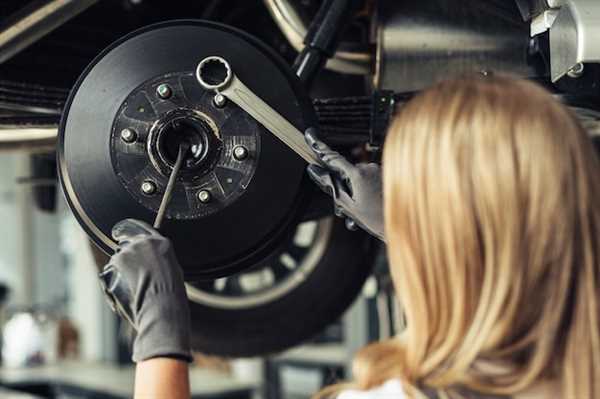
Regularly assess the condition of your stopping mechanisms to maintain optimal performance and safety. As materials degrade, friction decreases, directly affecting how rapidly a vehicle halts. Records indicate that a 50% wear on pads can expand the deceleration required by up to 30%. This can lead to longer engagement times in emergency scenarios.
Check for indicators of deterioration such as uneven surfaces or thin linings. Perform replacements when measurements show wear beyond manufacturer specifications. Aim for a minimum thickness to ensure adequate grip and response during deceleration. Frequent evaluations, particularly before long trips, can prevent compromised safety levels.
Awareness of environmental factors is critical; wet or slippery terrain exacerbates the effects of worn surfaces, leading to increased stopping requirement. Off-road conditions may further challenge the efficiency, necessitating closer monitoring and early intervention on the components. Every driver should recognize that maintaining these elements can be the difference between safety and risk on the roads.
Incorporate testing procedures like measuring stopping distances in controlled settings to gauge the influence of various levels of wear. Begin with a baseline and document variations as the materials become less effective. This empirical approach will help in understanding how direct wear translates into real-world performance concerns.
Signs of Worn Brake Components That Affect Safety and Performance
Pay attention to any unusual noises like squeaking or grinding during use. These sounds indicate a need for immediate inspection, as they usually suggest the friction material is thinning and could lead to reduced performance.
Monitor the brake pedal feel; if it feels soft or spongy, this could signal air in the hydraulic lines or a failing master cylinder. Both conditions can dramatically affect your ability to halt the vehicle efficiently.
Look for pedal vibration or pulsation when applying pressure. This symptom often suggests that the rotors are warped and can cause inconsistent contact with the pads, resulting in longer stopping times.
Inspect the stopping performance under various conditions. If you notice a longer response time on wet or slippery surfaces, consider evaluating the state of the disc and the contact materials for wear.
Watch for any fluid leaks around wheel components, which can compromise the braking system’s hydraulic performance. This can create an unsafe driving environment, impacting reliable stopping capability.
Check the warning light on your dashboard; if it illuminates, consult a technician. Modern vehicles often have built-in sensors that signal when maintenance is necessary, preventing further deterioration.
Assess the physical condition of the pads and discs for uneven wear or visible cracks. Replace any damaged parts immediately to restore optimal functionality and ensure safety.
Lastly, ensure that the play in the brake calipers isn’t excessive. When calipers do not fully engage or release, they reduce the overall performance, leading to unbalanced wear and dangerous driving conditions.
Preventive Measures to Reduce Impact of Brake Wear on Stopping Distance
Regular inspection of friction materials should be scheduled every 6,000 to 10,000 miles to identify signs of deterioration early. Checking for uneven wear, cracks, or contamination can prevent failures that compromise deceleration capabilities.
Ensure the use of high-quality friction materials suited for specific driving conditions. Opt for premium products that offer better heat dissipation and reduced wear over ordinary alternatives.
Maintain proper wheel alignment and suspension settings. Misalignment causes uneven pressure on braking surfaces, leading to increased wear and longer distances needed to halt a vehicle.
Monitor fluid levels and quality. Contaminated or depleted hydraulic fluid can impair the system’s responsiveness, increasing the time it takes to come to a complete stop.
Engage in gentle driving practices, avoiding sudden stops and hard accelerations. Smooth driving techniques can extend the lifespan of friction materials significantly.
Consider upgrading to performance pads if frequently driving in demanding conditions. These pads are designed for extended durability and improved control, thereby reducing the amount of effort required for deceleration.
Utilize the vehicle’s engine braking for slower speeds. This technique reduces reliance on friction materials, allowing for a longer overall lifespan.
Stay informed about manufacturer recommendations for maintenance intervals to ensure all systems are functioning within optimal parameters.