How axle damage affects vehicle stability
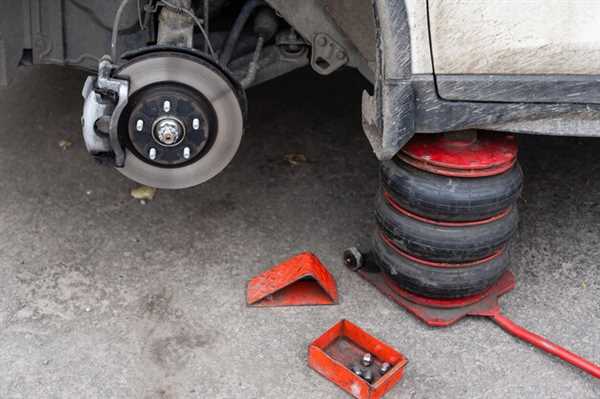
Regular inspections of the supporting structures are crucial for ensuring optimal operational capability. A weakened component can catalyze significant handling issues, leading to compromised maneuverability and an increased likelihood of accidents. Timely identification of such flaws can mitigate these risks and enhance overall driving confidence.
When a support structure is compromised, the alignment and distribution of weight become unbalanced. This imbalance can result in unusual tire wear and reduced grip, making it imperative to address any signs of wear promptly. Maintaining proper maintenance schedules, along with periodic checks, can safeguard against unforeseen failures.
Furthermore, irregularities in the alignment can lead to excessive stress on adjacent parts. This cascading effect may culminate in further mechanical failures, posing a severe threat to both operators and passengers. Conducting thorough assessments and replacing damaged elements promptly are key strategies in preserving performance integrity.
Symptoms of Axle Damage: Recognizing Instability in Your Vehicle
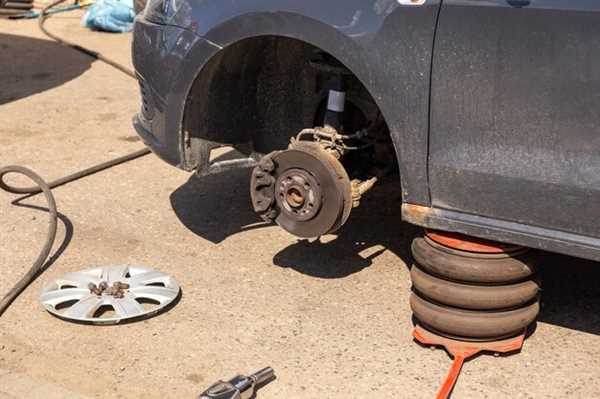
Check for vibration or shaking during movement. If you feel unusual oscillation through the steering wheel, it may indicate an underlying issue. Pay attention to any noise; grinding or clunking sounds can signify irregularities within the connecting parts.
Watch for uneven tire wear. Affected wheels may show abnormal patterns, suggesting misalignment or other serious concerns. Monitor your turning behavior; if the steering feels off-center or requires excessive force, it signals potential troubles.
Note any pulling sensations to one side while driving straight. This phenomenon often points to compromised connection points. Be alert for changes in brake performance; decreased responsiveness can arise from malfunctioning components linked to the system’s integrity.
Frequent check-ups are advisable if you experience any of these signs. Addressing issues early can prevent further complications, ensuring a safer driving experience.
Evaluating the Effects of Axle Damage on Handling and Control
Regular inspections of the components are critical for preserving proper maneuverability and directional coherence. Addressing misalignment or wear can significantly enhance performance parameters.
Structural integrity issues directly influence response times and cornering capability. An observation of increased steering effort can indicate needing immediate maintenance. Regular checks on load distribution can assist in preventing uneven wear and enhance dynamic behavior.
Monitoring tire pressure and suspension condition greatly aids in maintaining balanced interactions between the chassis and the ground. Under-inflated tires can magnify handling difficulties, leading to compromised grip and control.
Ensure that braking systems are functioning optimally, as compromised stopping distances can arise from any disturbances in the framework. Anomalies in braking response can serve as a warning sign for underlying issues that could undermine safety on the road.
Utilize diagnostic tools to regularly assess performance and identify potential concerns before they escalate into serious problems. Proactive management of the undercarriage will ensure a safer and more stable operating environment.
Preventive Measures and Solutions to Mitigate Axle Damage Risks

Regular inspections should be scheduled, focusing on critical components connected to wheels. This approach helps in identifying wear and potential issues before they escalate.
Utilizing high-quality materials for suspension systems ensures longevity and reduces the probability of failures that could lead to instability.
Maintaining proper tire pressure not only enhances handling but also minimizes stress on the connecting structures, promoting overall soundness.
Ensure alignment is checked routinely. Misalignment can cause uneven wear and might compromise the reliability of the entire setup.
Implement a driving training program aimed at educating operators about safe maneuvers and the importance of cautious driving to prevent undue strain.
Incorporate advanced technology, such as monitoring systems that alert drivers to anomalies in real-time, assisting in prompt corrective actions.
Utilize modular designs that allow for easy replacement of worn-out parts, thus enhancing maintenance routines without significant downtime.
Encourage regular maintenance checkups with qualified technicians who can perform detailed evaluations and recommend necessary modifications or replacements.
Adoption of routine lubrication practices on moving parts will minimize friction and extend the lifespan of various components.
Establish protocols for immediate reporting of unusual noises or handling issues. Quick responses can prevent escalation and more severe complications.