Exhaust leaks that affect engine performance

A thorough inspection and timely repair of any signs of gas escaping should be your immediate priority. Ignoring even minor indications can lead to detrimental alterations in how your vehicle operates.
These issues can significantly compromise power delivery and responsiveness, resulting in a less enjoyable driving experience. The presence of unintended openings disrupts the optimal flow of combustion gases, leading to reduced torque and horsepower.
Additionally, such problems can contribute to undesirable noise levels and increased emissions, ultimately harming the environment. Regular checks can help maintain the vehicle’s condition, ensuring it runs smoothly and efficiently.
By addressing any breaches promptly, you ensure the integrity of your automobile remains intact. This not only enhances your enjoyment behind the wheel but also prolongs the lifespan of the vehicle.
Identifying Symptoms of Exhaust Leaks in Vehicles
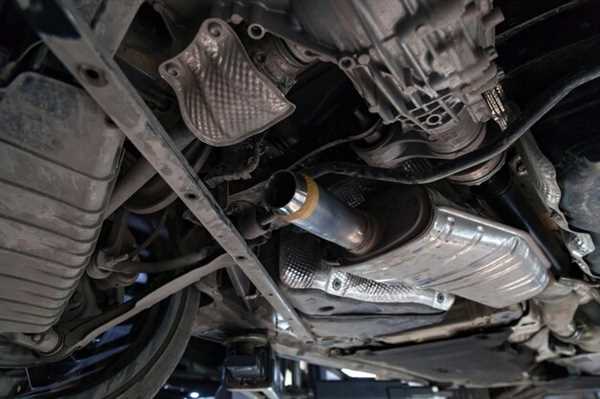
Listen for a hissing or popping noise from under the hood, which may indicate irregular airflow. This auditory clue can signify an issue that affects the vehicle’s ability to operate smoothly.
Monitor fuel efficiency closely. A sudden drop in mileage often suggests a mismanaged combustion process due to improper sealing in the system. Check the dashboard for warning lights; a check engine light may illuminate if emissions are not adequately expelled.
Inspect for visible damage. Rust or deterioration around joints and connections points to potential gaps, allowing gases to escape and impacting overall function. Condensation accumulating in unusual areas can also indicate issues.
Pay attention to vibrations. Excessive shaking during idling or acceleration might imply a compromised exhaust route that disrupts normal operations. If you notice an unusual smell inside the cabin, it may indicate a breach allowing noxious gases to infiltrate the interior space.
Seek professional assessment if symptoms persist. A thorough examination helps pinpoint the specific root cause and determines the necessary repairs. Regular maintenance is key to preventing such issues from arising and ensuring longevity.
How Exhaust Leaks Affect Fuel Efficiency and Power Output
Addressing leaks in the exhaust system can lead to significant improvements in fuel consumption and power generation. Any small rupture allows gases to escape before reaching their intended outlet, disrupting the optimal conditions for combustion.
This disruption results in a reduction of backpressure, which can lead to incomplete fuel combustion. As a consequence, the engine may compensate by injecting more fuel to maintain power, ultimately worsening fuel efficiency. Fixed leaks often help in restoring the necessary backpressure, enhancing the combustion process and reducing fuel usage.
Additionally, a compromised exhaust pathway can trigger check engine lights or error codes, indicating lean fuel mixtures. Repairing these openings can restore the air-fuel ratio, positively affecting torque gains and horsepower output. This repair also aids in maintaining proper sensor readings, which are crucial for efficient operation.
Regular inspections for any breaches are advisable, as proactive measures can prevent escalation of the problem. Investing in timely maintenance ensures that the vehicle operates at its optimum capacity, leading to sustainable performance and reduced operational costs.
Methods for Diagnosing and Repairing Exhaust Leaks
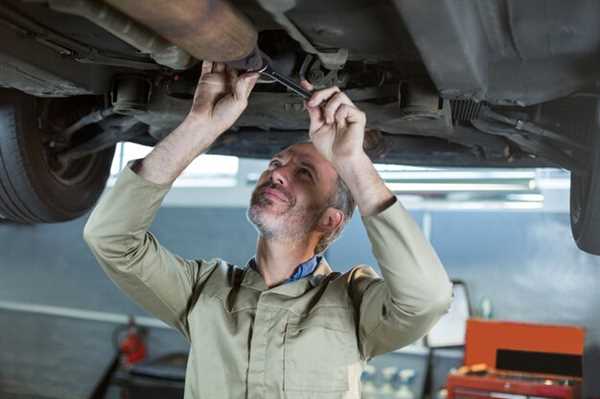
Utilize a smoke test to identify airflow anomalies. Introduce smoke into the system, allowing observation of escaping vapor to pinpoint problematic areas.
Inspect visually for rust, cracks, or separations in the piping. A thorough visual examination with a flashlight can reveal noticeable damages.
Employ a sound test. Listening for unusual noises, such as hissing or tapping sounds near joints or connections, can indicate problematic sections.
Use a digital pressure gauge. Measuring the pressure within the system can help detect inconsistencies, indicating potential trouble spots.
Check for abnormal fuel consumption or engine performance. Sudden changes can signify issues linked to the exhaust system that require further investigation.
Once identified, repair can be executed using high-temperature sealants or by replacing damaged components like gaskets and pipes. Ensure all connections are tight and secure to restore optimal functionality.
Regular maintenance checks can preemptively address minor issues before they escalate into significant problems, ensuring longevity and reliability of the vehicle’s system.