Early signs your engine needs diagnostic testing

If the vehicle exhibits unusual noises or vibrations, it may indicate underlying mechanical concerns. Persistent illumination of the check engine light often points to anomalies that cannot be ignored. Ignoring these warnings could lead to more severe issues down the line.
Unexplained drops in fuel efficiency may suggest that the internal components are not functioning optimally. When acceleration feels sluggish or unresponsive, it might be a call for further inspection. Pay attention to any unusual emissions; they can provide clues about the combustion process and potential malfunctions.
Frequent stalling or difficulty starting could signal deeper issues, necessitating closer examination. Should the temperature gauge register higher than normal, it may reflect cooling system problems. Regular monitoring of these indicators ensures longevity and reliable performance of the mechanical system.
Unusual Engine Noises Indicating Potential Issues
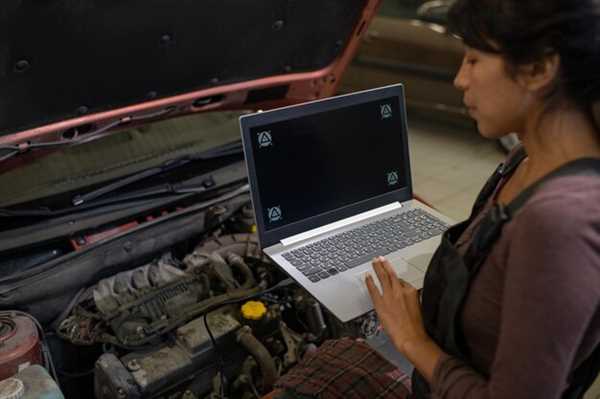
Pay attention to any knocking or tapping sounds, often signaling problems with the valvetrain or connecting rods. This may indicate a lack of oil or severe wear. If you notice a grinding noise, it could suggest issues with the timing belt or gears that need immediate attention.
Listen for hissing or sizzling sounds that could imply a leak in the cooling system or exhaust. These noises often precede overheating or combustion issues. A persistent hum or whine may point to failing bearings in the alternator or other components that require replacement.
Squealing sounds, especially during acceleration, indicate worn-out serpentine belts or tensioners that should be checked. Conversely, thumping noises can suggest problems with mounts or loose parts that could compromise stability and safety.
Keep an ear out for any unusual sounds, as they serve as warning signs, helping identify potential malfunctions before they escalate. Regular monitoring can prevent costly repairs and prolong the lifespan of crucial machinery components.
Dashboard Warning Lights and Their Meanings

A red warning light typically indicates a significant issue that requires immediate attention. For instance, the oil pressure warning signals insufficient oil flow, which may lead to severe damage.
A yellow or orange light serves as a caution, suggesting that monitoring is necessary but immediate action may not be critical. The check engine light, for example, can illuminate for a range of issues, from minor to serious. It’s advisable to conduct diagnostics to determine the specific cause.
Flashing lights often indicate urgent problems. The battery warning, for instance, signifies that the charging system may be failing, potentially leading to a breakdown.
Temperature gauge indicators are essential as they warn against overheating. Failure to address this can result in catastrophic failures.
Brake warning lights can indicate low fluid levels or issues with the braking system. Ignoring these alerts increases safety risks while driving.
Each warning light has specific meanings, and understanding them can prevent further damage and ensure the vehicle operates efficiently. Regularly refer to the owner’s manual for detailed descriptions of each indicator light and recommended actions.
Decreased Performance and Fuel Efficiency Concerns
Noticing a drop in power or a decrease in miles per gallon indicates potential trouble. If acceleration feels sluggish or the vehicle struggles to maintain speed, these are warning signals of underlying issues. Monitoring fuel consumption is key; if there’s a sudden increase in usage without changes in driving habits, further investigation is warranted.
Unusual noises during operation, such as knocking or pinging, may also suggest problems that affect performance and efficiency. Check for any warning lights on the dashboard; if illuminated, consult a technician for a detailed assessment. Regular maintenance can help identify issues before they escalate, ensuring that both performance and fuel economy remain at optimal levels.
Inconsistent idling or stalling can indicate fuel delivery or air intake issues. If the vehicle hesitates during acceleration, consider it a compelling reason to have a closer look. Maintaining clean filters and components is crucial for optimal function, as even minor neglect can lead to significant inefficiencies.