Cooling system failures that lead to engine damage
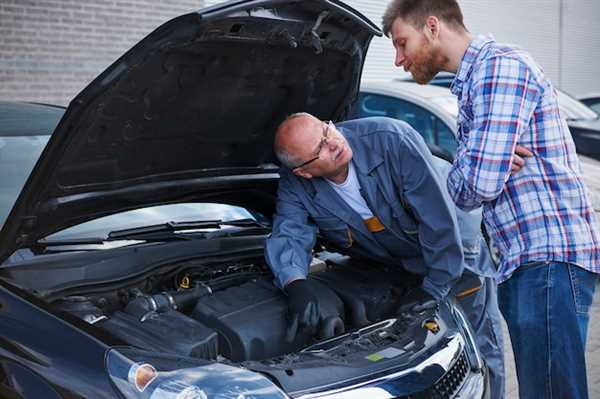
Regular maintenance checks hold the key to preventing thermal management breakdowns that can severely affect your vehicle’s functionality. Monitoring fluid levels and inspecting for leaks should be routines incorporated into your service schedule. This proactive approach is crucial as even minor fluid losses can create significant operational issues.
One prevalent concern is the deterioration of critical components, such as the radiator or thermostat. A blocked radiator can hinder proper heat dissipation, causing your vehicle to overheat. Replacing worn parts before they fail is often more cost-effective than addressing unexpected repairs that arise from overheating incidents.
Additionally, neglecting the condition of hoses and belts can lead to catastrophic results. A failing hose may rupture, causing a sudden loss of coolant, while a worn belt can affect pump performance. Performing visual inspections can identify potential weaknesses and prevent breakdowns that can lead to serious mechanical problems.
Monitoring engine temperature gauges remains essential; any unusual fluctuations should prompt immediate investigation. Ignoring these warning signs can result in irreversible mechanical stress and costly repairs. Regular diagnostics ensure that any discrepancies are addressed before they escalate into major concerns.
Common Signs of Cooling System Malfunctions
Monitor the temperature gauge closely. A rising temperature can indicate a severe issue. If the needle frequently enters the red zone, immediate action is required.
Watch for fluid leaks under the vehicle. Puddles of liquid, often colored green, orange, or pink, suggest a leak that needs immediate inspection. Check hoses and connections for integrity.
Listen for unusual sounds from the engine bay. A bubbling or gurgling noise can mean trapped air or inadequate fluid. Address it without delay.
Examine the radiator for blockages. If the exterior is obstructed by debris or dirt, airflow is compromised. Regularly clean to ensure optimal performance.
Check for steam coming from the hood. This warning sign indicates overheating. Stop the vehicle immediately to prevent severe consequences.
Pay attention to heater performance. If the cabin does not warm up adequately, it may signal insufficient fluid circulation. Investigate promptly.
Feel for cold spots on the hoses. A cool hose may indicate that fluid isn’t circulating correctly, which can lead to an extensive breakdown.
Be cautious of a strong, sweet smell. This odor can point to a coolant leak, requiring immediate attention to avoid further complications.
Impact of Low Coolant Levels on Engine Performance
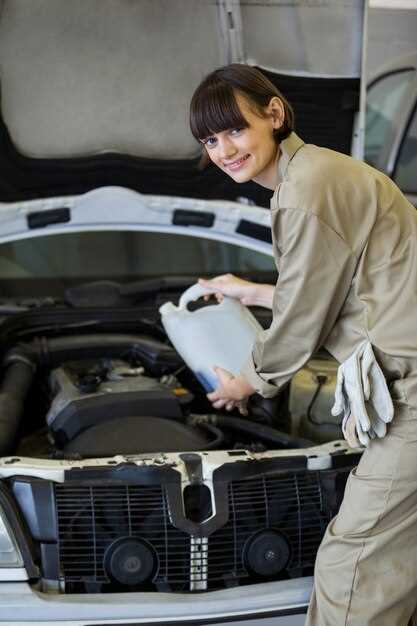
Maintaining optimal fluid levels is critical for optimal performance. Insufficient liquid can result in overheating, causing components to expand beyond their operational thresholds. This leads to increased wear and tear, shortening the lifespan of various parts.
When fluid is low, temperature regulation becomes compromised. This results in combustion temperatures exceeding designed limits, potentially leading to pre-ignition and knocking. Such conditions can severely hinder horsepower and torque output, affecting the vehicle’s acceleration.
Additionally, inadequate liquid can restrict heat exchange efficiency, causing a rise in operating temperatures. Prolonged exposure to high heat can warp cylinder heads and damage seals, resulting in costly repairs. Always check levels regularly to avoid these scenarios.
Furthermore, low levels can lead to the formation of deposits that clog channels, impairing the distribution of fluid. This diminishes the ability to cool various parts effectively, exacerbating overheating and reducing overall function.
To avoid engine issues, ensure that fluid reservoirs are topped off according to specifications and monitor for leaks. Regularly inspect hoses and connections for signs of wear. Prevention is far less costly than repair. Keep a close eye on temperature gauges; if readings fluctuate, investigate immediately.
Preventive Measures to Avoid Cooling System Issues
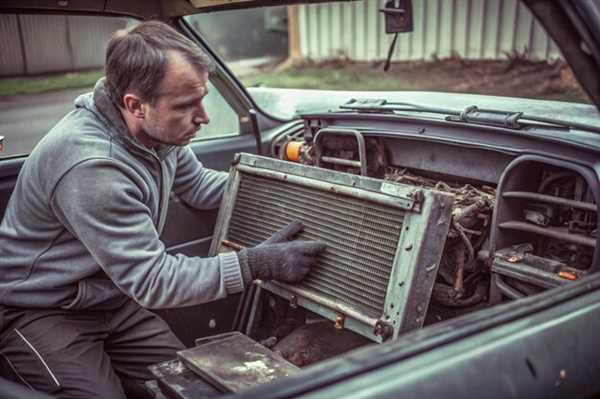
Regularly inspect coolant levels, ensuring they are maintained within the recommended range to prevent overheating and component wear.
Conduct periodic checks for leaks in hoses and connections; any signs of coolant loss can indicate potential risks.
Replace old coolant according to the manufacturer’s schedule, as degraded fluid can lose its protective properties and lead to corrosion.
Ensure the radiator cap is functioning correctly; a faulty cap can cause pressure loss and reduce the boiling point of the fluid.
Clean the radiator and remove any debris obstructing airflow, as poor ventilation affects temperature control.
Monitor the thermostat for responsiveness; a stuck thermostat can result in erratic temperature regulation.
Inspect the water pump periodically for noise and leaks; any malfunction here can disrupt fluid circulation.
Check fan operation; ensure it engages properly during high-temperature scenarios to assist in heat dissipation.
Address any warning lights on the dashboard immediately; they serve as early indicators of potential issues requiring attention.
Consult a professional for a thorough examination if abnormalities are detected; timely intervention can prevent severe complications.