Brake pedal symptoms you should never ignore

Pay attention to any changes in the responsiveness of your stopping mechanism. If it feels spongy or sinks to the floor with minimal pressure, there may be a problem that requires immediate attention. Regular checks can prevent more severe complications down the line.
A distinct sound when engaging the stopping system can also indicate malfunction. Should you hear grinding, squeaking, or unexpected noises, examining the components soon is advisable. Neglecting these signs can lead to costly repairs and unsafe driving conditions.
Finally, monitor the fluid levels related to your stopping system. A decrease might suggest a leak or another underlying concern. Ensuring adequate fluid can enhance performance and safety, making it a critical aspect of vehicle maintenance.
Unresponsive Brake Pedal: Identifying Causes and Solutions
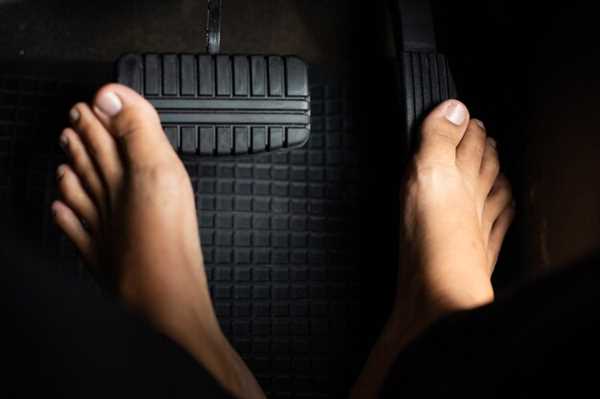
An unresponsive foot lever can stem from various factors. First, check the fluid level; low hydraulic fluid can lead to insufficient pressure. Ensure there are no leaks in the system, as even a small loss can significantly impact performance.
Examine the master cylinder for wear or damage, which may impede proper function. The brake lines should also be inspected for blockages or ruptures that can cause a loss of hydraulic pressure.
If symptoms persist, consider the condition of the brake pads. Worn-out pads can create a situation where the mechanism feels less responsive due to inadequate friction. Replace them as necessary for optimal performance.
Air trapped within the hydraulic system is another culprit, potentially causing a spongy or high-resistance feel. Bleeding the system can remove air bubbles and restore proper function.
Lastly, inspect the connection between the foot lever and the braking mechanism. Any disconnection or malfunction here can lead to a complete inability to stop effectively. Regular check-ups can prevent these issues from becoming severe.
Squeaking or Grinding Noises: What They Indicate About Your Brake System

Squeaking or grinding sounds are often early indicators that attention is needed for the stopping mechanism. If these noises are present, it may suggest worn-out components, such as pads or rotors.
Squeaking can signify that the brake pads are nearing the end of their lifespan, often caused by a wear indicator that alerts the driver. Addressing this early can help prevent more serious damage.
If grinding noises occur, it typically indicates that the pads have worn down completely, allowing metal to contact metal. This condition can lead to significant damage to the rotors, necessitating replacement.
Regular inspections for these symptoms in the braking system will ensure safety and extend the lifespan of crucial components. Replace worn parts promptly to maintain optimal performance.
Ignoring these alerts can result in costly repairs and compromise vehicle safety. Always consult with a professional if you experience unusual sounds during braking.
Soft or Spongy Brake Pedal: Understanding the Implications and Actions
If you notice a soft or spongy feel in your foot-operated control, it’s crucial to assess the situation immediately. This sensation often indicates the presence of air or moisture in the hydraulic system, which can severely affect stopping capability.
Common symptoms include a lack of responsiveness, where pressing the pedal requires significantly more effort than usual. This can lead to delayed stopping times, increasing the risk of accidents. Regular inspection of fluid levels is advisable, as low fluid can also contribute to this phenomenon.
Another possible cause involves worn-out components such as seals, which may allow fluid to escape, leading to decreased pressure in the hydraulic system. If such wear is suspected, seek professional evaluation to determine whether a system overhaul or repairs are necessary.
Maintaining the integrity of the braking system is paramount. Regular fluid changes help prevent moisture accumulation, which can adversely affect performance. Always use the manufacturer’s recommended fluid to ensure compatibility and optimal function.
Ultimately, addressing softness or sponginess in the stopping mechanism promptly can prevent further complications and ensure safety while driving. Regular checks and timely repairs can save you from costly fixes or dangerous situations on the road.