Electrical problems that drain your car battery

To ensure the longevity of your ignition source, regularly inspect for parasitic currents leaching from devices even when the engine is off. This silent energy loss can often lead to unexpected power shortages.
A battery without sufficient charge can be affected by various elements, including malfunctioning alternators or light systems that fail to switch off. Regular checks of these components will help avoid untimely replacements and inconveniences.
Improper connections or corrosion on terminals create resistance, hindering optimal flow. Cleaning connections and securing them can restore functionality and prevent frequent recharging.
Age plays a significant role; older units possess diminished capacity, making them more susceptible to rapid depletion. Consider routine replacements for units that have exceeded their life expectancy.
Understanding the interplay between electrical components is vital. A malfunctioning starter or a faulty relay can inadvertently siphon power, drastically impacting the health of your energy source. Stay vigilant and address these elements promptly.
Identifying Faulty Alternator Symptoms

Inspect dashboard warning lights for the battery indicator, which may illuminate when the alternator malfunctions. A flickering light suggests unstable power output.
Observe for dimming headlights and interior lights when the engine is running; this can signify inadequate voltage supply from the alternator.
Listen for unusual noises, such as grinding or whining, indicating worn bearings within the alternator. Such sounds can precede complete failure.
Check for a strong burnt smell near the alternator, which may indicate overheating or short circuits, leading to a need for immediate attention.
Test electrical components; if they function intermittently, it could reflect inadequate load management by the alternator.
Evaluate the age and condition of the battery, as an older unit can strain the alternator, leading to premature wear and operational problems.
Look for signs of corrosion on the alternator’s connections; this can disrupt the current flow, further compromising performance.
If the vehicle experiences stalling or difficulty starting, investigate the alternator’s capacity to recharge the stored energy effectively.
Assessing the Impact of Parasitic Draws
Conduct a thorough examination of the current being drawn when the ignition is off. Typical parasitic consumption should not exceed 50 milliamps. Use a multimeter to measure this; disconnect the negative terminal and place the meter in series with the battery terminal and cable.
If the reading is significantly higher, suspect components such as the radio, alarm system, or any aftermarket installations. Investigate these circuits individually to isolate the source of the unwanted consumption.
It’s beneficial to keep a log of which devices consume power and how much. This information can guide in deciding whether repairs or modifications are necessary to reduce ongoing depletion.
If a problematic device is identified, check for proper wiring and consider whether any features, such as lights or sensors, are malfunctioning, causing unnecessary energy use.
After locating the draw, repairs or replacements may be needed. For certain installations, adding a switch for manual control can mitigate excessive energy loss when the vehicle is not in use.
Regular checks can prevent unexpected failures. Schedule a review every few months to ensure no new parasitic drains have developed, thereby prolonging the health of your power source.
Understanding the Role of Corroded Connections
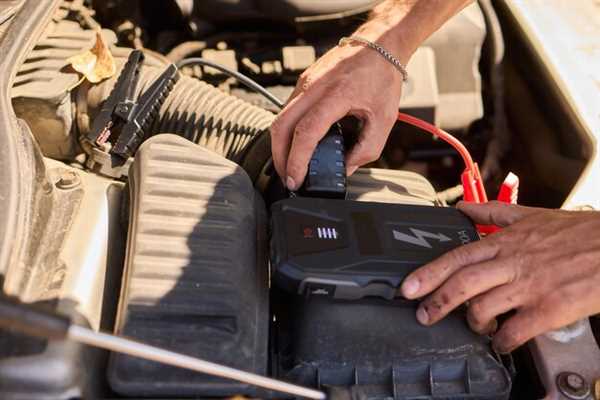
Corroded connections can significantly impede the flow of current, leading to quick power loss. Regular inspection of wiring terminals and connectors is crucial for maintaining a reliable energy supply. Address corrosion promptly to prevent implications for the power source.
- Check cable ends for discoloration or buildup, indicative of corrosion.
- Use a wire brush or corrosion cleaner specifically designed for automotive use to clean affected areas.
- Apply dielectric grease to protect cleaned connections from moisture and future corrosion.
- Ensure that all connections are tight and secure to enhance conductivity.
Pay attention to the ground connections as well; a poorly grounded system can lead to additional resistance, draining energy. Ensure all grounds are clean and tightly fixed.
Performing routine checks every few months can help identify corrosion early, preserving the health of your power storage unit and preventing unwarranted discharges. Consider this maintenance a proactive step toward ensuring reliability in your vehicle’s electrical system.