When brake fluid replacement becomes necessary

A brownish or dark hue in the hydraulic substance is a clear indicator that a replacement may be required. Fresh fluid should appear transparent or slightly yellow, signifying that it remains uncontaminated and functional. Furthermore, if the fluid exhibits a burnt smell, this often points to overheating during braking, warranting immediate attention.
Another critical factor is the moisture content within the fluid. If tests or checks reveal an excessive presence of water, it can lead to diminished braking performance. This situation may necessitate a complete replacement to restore optimal functionality. Regular inspections can aid in identifying any changes that might indicate the need for a change.
Pulsation or sponginess in the brake pedal while engaging brakes signifies potential issues with the hydraulic fluid. These symptoms could imply air intrusion or the degradation of the fluid and often call for prompt replacement. Additionally, pay attention if the brakes seem less responsive than usual; this decline could suggest compromised fluid integrity, requiring immediate action.
Understanding the Importance of Clean Brake Fluid
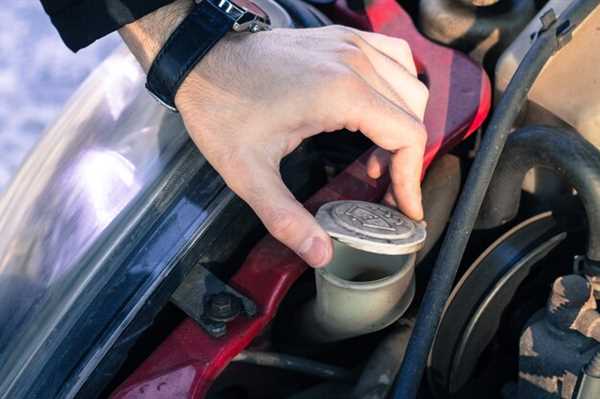
Regular maintenance of brake components includes consistent examination and replacement of hydraulic liquid to ensure optimal performance. Contaminated liquid can lead to reduced stopping power, affecting safety and handling.
Moisture accumulation in the liquid can result in corrosion of internal brake parts, leading to costly damage. The boiling point of fluid decreases with moisture content, which may cause brake failure under heavy usage, such as during steep descents or abrupt stops.
Utilizing fresh hydraulic liquid improves the response time when engaging the braking system. Professionals recommend checking the condition of this fluid annually or every 30,000 miles, whichever comes first. Transparent or lightly colored liquid signifies good health, while dark or murky liquid indicates contamination.
Investing time in monitoring and swapping out impaired hydraulic liquid ensures longevity of brake systems, enhancing vehicle safety and performance. Keep track of any change in pedal feel or performance, as these can indicate fluid issues needing attention.
Identifying Warning Signs of Contaminated Brake Fluid
Check for a dark or murky appearance in the liquid; this often indicates degradation and contamination. Fresh liquid typically has a light amber color. A change in color suggests it may require immediate attention and a swap.
Assess the boiling point; moisture absorption can lower its effectiveness. If brake performance feels spongy or the pedal sinks too far down, this points to potential issues with the liquid’s integrity, indicating a necessity for a change.
Look for air bubbles or foam forming in the system, which is a clear sign of moisture buildup. This compromises braking efficiency and calls for a search for a replacement solution.
Monitor for a falling brake pedal under pressure. If the sensations aren’t reassuring and the resistance feels odd, these factors can lead to unwanted occurrences and show that the hydraulic fluid may have lost its appropriate properties.
Pay attention to unusual noises emanating from the brake components. High-pitched sounds or grinding can denote underlying issues, possibly linked to the quality of the liquid, warranting further investigation.
Finally, regular checks on the manufacturer’s guidelines should remain a priority. Adhering to recommended intervals can prevent deteriorating conditions and prolong the lifespan of the brake system.
Steps to Properly Replace Your Brake Fluid
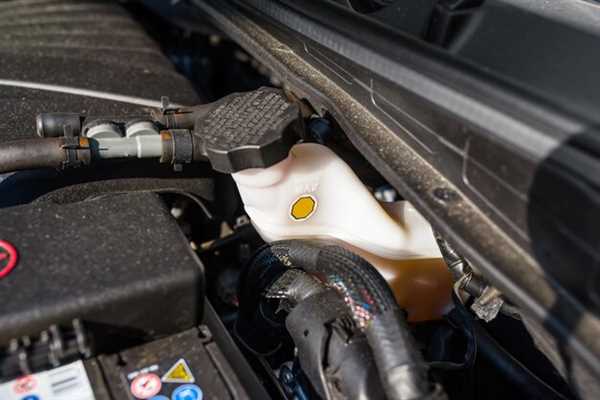
Gather necessary tools: Obtain a new container of brake liquid, a wrench for bleeder screws, a syringe or turkey baster, and a clean rag.
Locate the reservoir: Identify the brake liquid reservoir, usually positioned near the back of the engine bay on the driver’s side.
Check levels: Assess the existing liquid level. If it appears dark or contaminated, it’s time for a change.
Remove old liquid: Use a syringe or turkey baster to extract as much of the existing liquid from the reservoir as possible. Dispose of it properly.
Refill with new product: Carefully add fresh liquid into the reservoir until it reaches the appropriate fill line.
Bleed the brake system: Starting from the wheel furthest from the master cylinder, loosen the bleeder screw and have an assistant pump the brake pedal. Tighten the screw once liquid flows out. Repeat this for each wheel.
Check for leaks: After bleeding, inspect the entire system for any signs of leakage around the reservoir and brake lines.
Test brakes: Before driving, press the brake pedal several times to ensure it feels firm. If it sinks, reassess the system.
Dispose of used material: Safely discard old liquid and any contaminated equipment.